
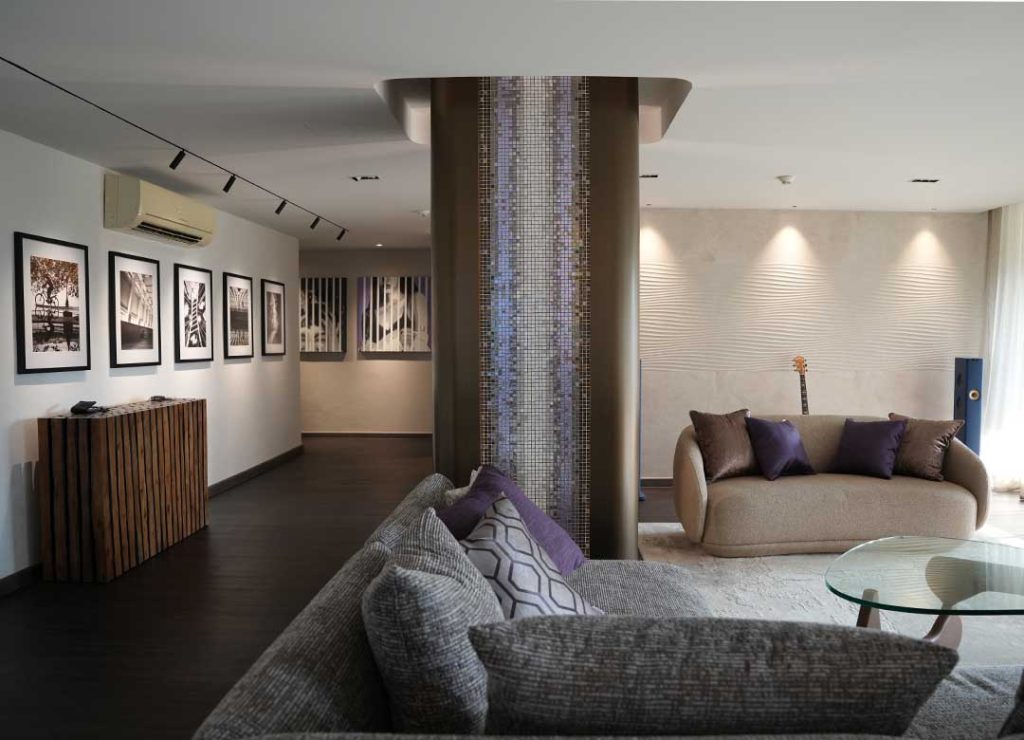
Owning a high-end property in iconic developments like The Forestias, Tait Sathorn 12, or a sprawling penthouse along the Sukhumvit corridor is an incredible asset. However, transforming a bare shell or an older unit into a bespoke, contemporary home can quickly become a logistical headache if you are unfamiliar with the local landscape.
When it comes to executing a high-end condo renovation in Bangkok, the thin line between an effortless, luxury finish and a costly, drawn-out nightmare comes down to avoiding very specific local pitfalls. To protect your investment and bring refined elegance to your space, here are the first two critical mistakes you must avoid.
1. Ignoring Bangkok Juristic Office Rules & Loading Constraints
One of the most common surprises for expatriates and new property owners in Thailand is the immense authority held by a building’s Juristic Office. Skipping formal approvals, failing to review building-specific bylaws, or ignoring strict weekend noise-control windows can completely halt your project before it even begins.
Every premium high-rise in Bangkok enforces rigid frameworks regarding structural alterations, plumbing modifications, and material delivery schedules. For instance, bringing large custom joinery pieces or Italian marble slabs up to a penthouse requires booking service elevators days in advance. Furthermore, some buildings entirely restrict heavy drilling during high-occupancy months or specific hours of the day.
Failing to secure proper juristic office approval in Thailand leads to heavy daily fines, strained relations with neighbors, and costly contractor delays. A sophisticated design plan must always account for these building restrictions during the initial scheduling phase, ensuring all technical permits are signed off before a single sledgehammer hits a wall.
2. Designing for Visuals (3Ds) Instead of Technical Execution
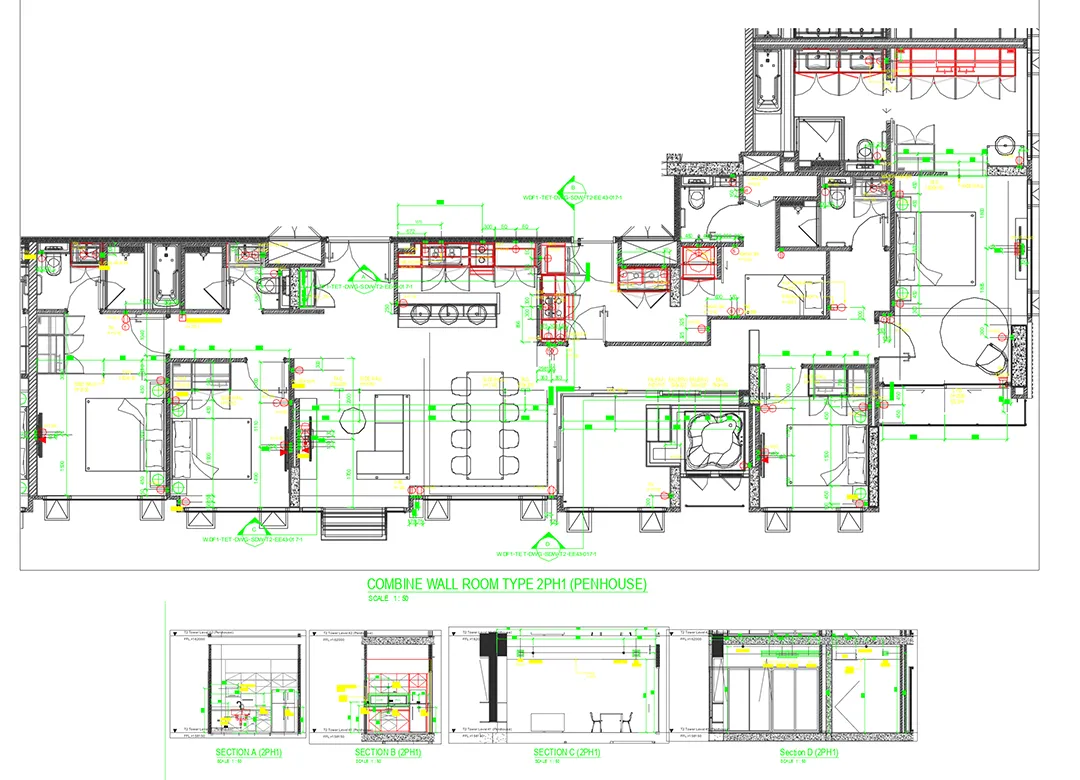
It is easy to fall in love with a beautiful 3D rendering or a curated Pinterest mood board. However, a stunning digital graphic is not an engineering or architectural drawing. A massive mistake in luxury renovations is approving a concept based purely on aesthetics without a foolproof, technical execution plan.
Luxury interior architecture relies heavily on hidden systems. If your design team fails to map out precise electrical socket placements, complex central AC ducting, and exact plumbing slopes before construction begins, the structural integrity of your design falls apart. In concrete condo structures, you cannot easily move a waste pipe or chip away a structural beam to accommodate a last-minute layout change.
True luxury doesn’t just look spectacular; it functions flawlessly. For a premium space, every custom cabinet, hidden LED light strip track, and recessed ceiling pocket requires meticulous, millimeter-accurate technical drafting. Without these detailed blueprints, local site workers are forced to guess on-site—frequently leading to misaligned fixtures, exposed wiring, and compromised aesthetics that ruin the premium feel of your home.
3. Choosing Materials Ill-Suited for Thailand’s Tropical Climate
A gorgeous material palette curated in Europe or sourced straight from a global Pinterest board doesn’t always translate well to Southeast Asia. One of the most expensive mistakes you can make during a condo renovation in Bangkok is overlooking the local climate—specifically the intense humidity, monsoon seasons, and unforgiving afternoon sun.
Standard MDF (medium-density fibreboard) or lower-grade particle boards, frequently used by budget decorators, quickly act like a sponge in Thailand’s humid air. Within a few seasons, custom wardrobes and kitchen cabinets can warp, swell, or breed mold. For high-end spaces, specifying moisture-resistant substrates like HMR (high-moisture resistant) board or marine ply is non-negotiable for built-in joinery.
Furthermore, Bangkok’s stunning floor-to-ceiling condo windows expose your interiors to massive amounts of UV radiation. If your designer doesn’t specify UV-tolerant fabrics, premium low-emissivity glass coatings, or stable timber finishes, your bespoke furniture and rich wood paneling will fade and crack within a couple of years. Luxury materials must be engineered to withstand the local environment without losing their refined finish.
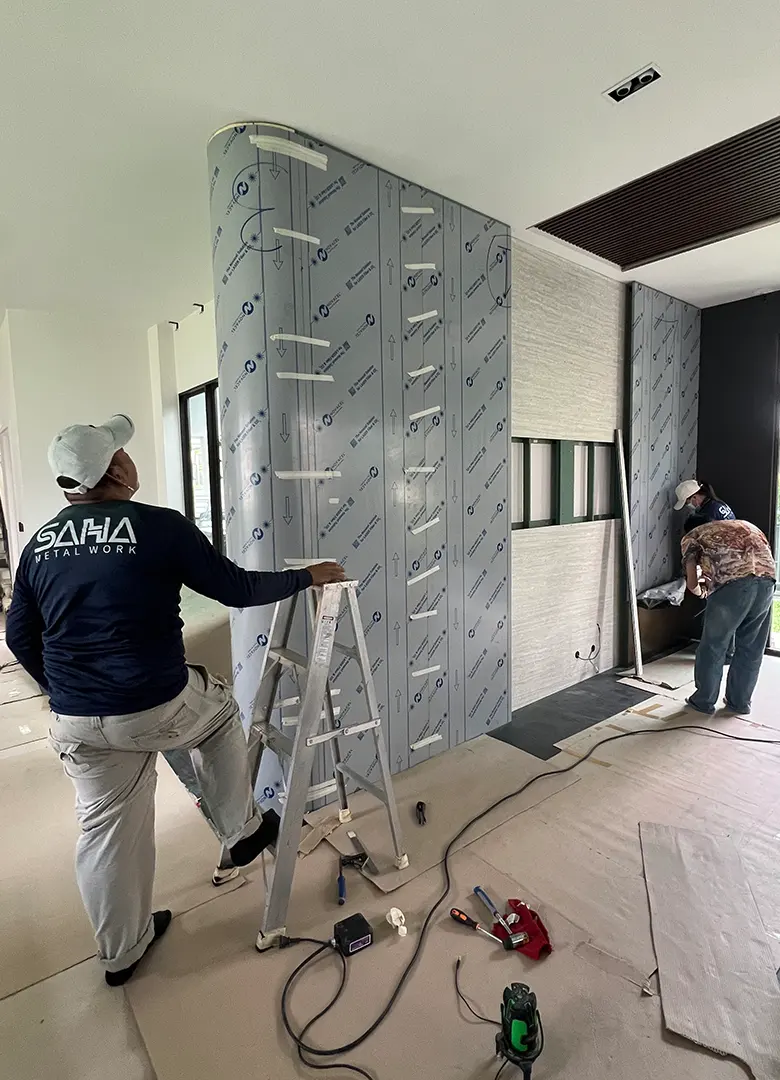
Execution is Everything: True luxury is born in the details. Coordinating specialty contractors—like this artisan installing hand-finished bronze satin stainless steel cladding—is a core part of our turnkey project management, ensuring custom architectural features are built to last.
4. Managing Fragmented Subcontractors Individually
Many property owners—especially expatriates or investors managing a build from abroad—attempt to save on overhead by hiring independent contractors directly. They hire a separate painter, an independent electrician, and a local joinery workshop, attempting to act as the project manager themselves.
In the Bangkok market, this fragmented approach almost always results in communication breakdowns, finger-pointing, and severe delays. When an expensive Italian marble slab cracks during installation, the mason will blame the carpenter’s sub-flooring, while the carpenter blames the mason. Without a single point of structural accountability, you are left to referee technical disputes in a language or market you might not fully understand.
Achieving a high-end, seamless result requires a unified team where every trade answers to a centralized authority. Opting for a integrated, turnkey interior design in Bangkok eliminates this friction. It ensures that the designers, structural engineers, and site supervisors are already perfectly aligned, protecting you from unexpected cross-contractor costs and ensuring your design details are executed exactly as drafted.
5. Underestimating Smart Lighting and Layering
True luxury never screams; it whispers. One of the quickest ways to strip the premium feel right out of a high-end condo is to rely entirely on a builder’s default overhead downlights. A massive mistake in luxury renovations is treating lighting as a purely functional afterthought rather than a critical element of luxury interior design in Bangkok.
When you fill a room with harsh, un-dimmable white light from above, you flatten the textures of your custom Italian wall panels, wash out your stone countertops, and make an elegant evening lounge feel like a sterile office space. High-end residential spaces require a sophisticated lighting plan built on layers: ambient lighting for overall warmth, accent lighting to highlight architectural features or artwork, and task lighting where you actually work or cook.
Incorporating recessed LED tracks into ceiling drop pockets, utilizing low-glare fixtures, and choosing the right color temperature (typically a warm, inviting 2700K to 3000K) is what creates that signature five-star resort ambiance. Integrating these tracks with smart home controls allows you to instantly alter the mood of your home from morning brightness to intimate evening entertaining with a single touch.
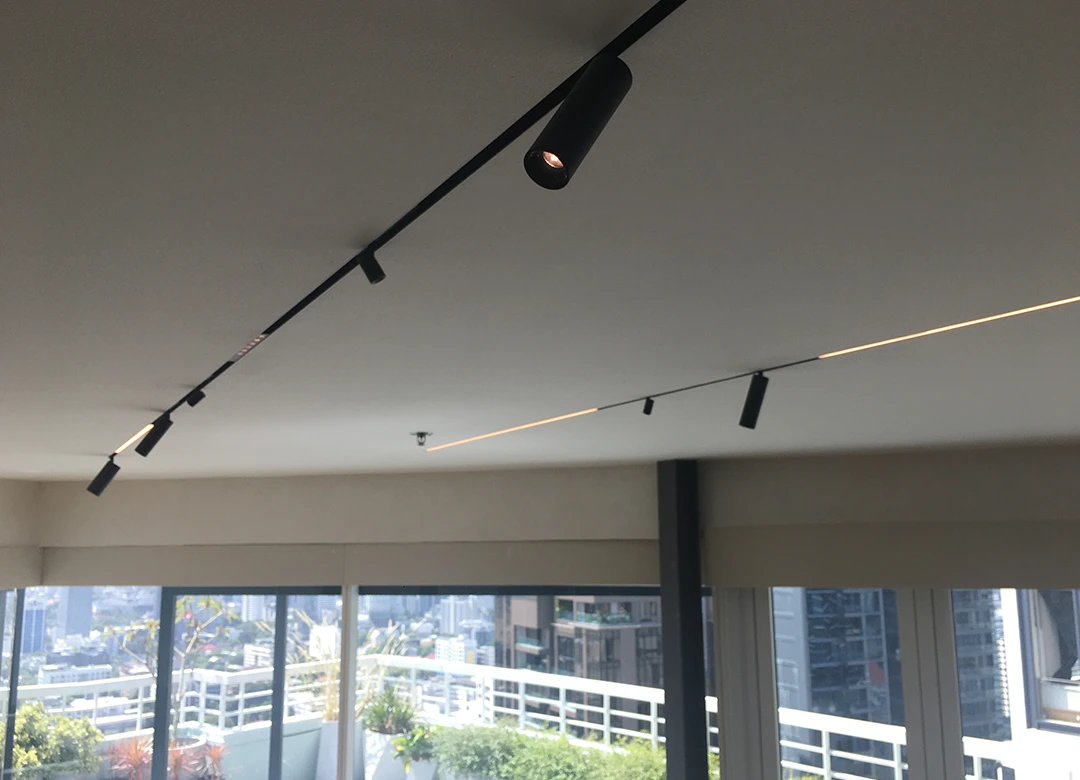
The Art of Ambient Engineering: Luxury is felt before it is seen. Integrating trimless magnetic tracks and linear LED diffusers into the ceiling architecture allows us to sculpt the mood of a living room without cluttering the visual plane with heavy, glaring light fixtures.
6. Sacrificing Spatial Flow and Function for “Showroom” Trends
It is incredibly easy to get swept up in the latest global condo interior design styles and buy furniture pieces that look spectacular on a showroom floor or a sprawling catalog spread. However, dropping oversized, unproportioned furniture into an urban apartment layout is a fatal mistake for both spatial flow and long-term comfort.
A home must breathe. In luxury condo layouts—whether a streamlined 60-square-meter unit in Thonglor or a 250-square-meter penthouse overlooking the Chao Phraya River—spatial flow is everything. If a gorgeous, oversized sectional sofa blocks the natural pathway to your balcony, or an over-scaled dining table constricts the walkway to your kitchen, the luxury experience is completely lost.
Premium space planning means customizing layouts around your actual daily rituals. It requires balancing negative space (the empty areas left open to breathe) with functional zones. Often, the best way to preserve this fluidity is through bespoke, integrated furniture designed specifically for the exact dimensions of your walls, rather than forcing standard retail pieces into uniquely angled high-rise rooms.
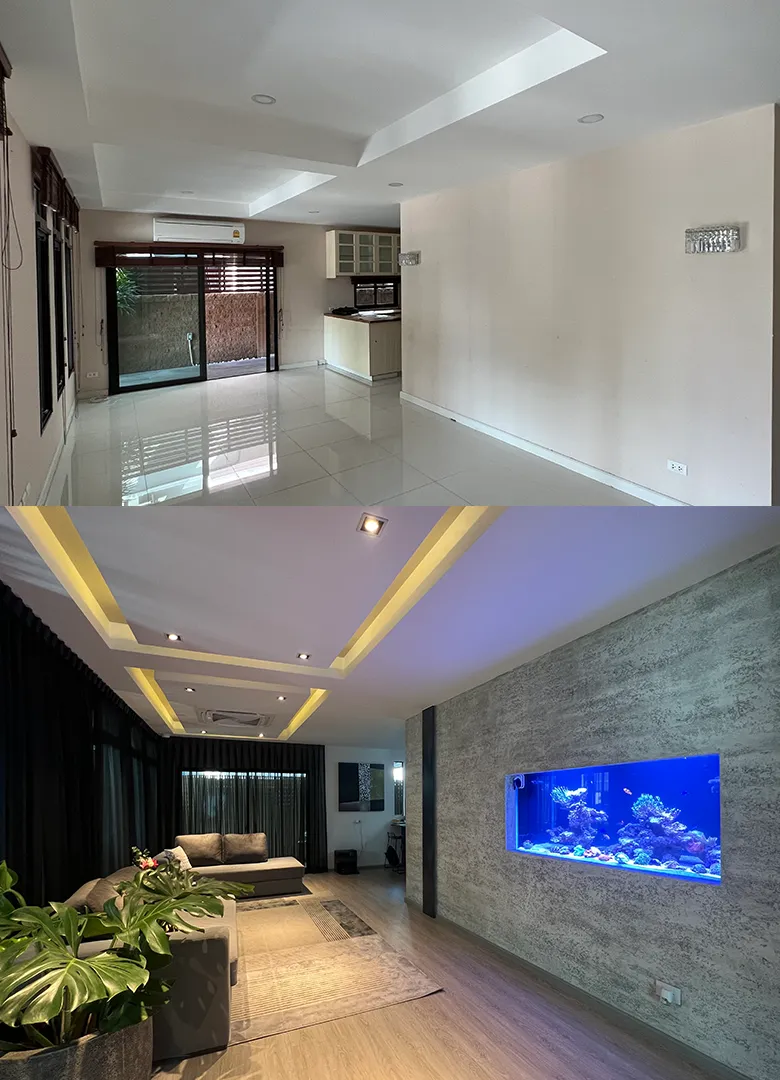
The Power of Turnkey Transformation: A side-by-side evolution tracking a complete structural overhaul. The raw, pre-renovation apartment shell on top is transformed into Elementi Interiors’ signature premium turnkey finish, featuring a spectacular architectural aquarium integrated flush into the living room wall.
7. Skipping the Turnkey Advantage
The final, and perhaps most impactful, mistake property owners make is trying to save on upfront costs by shortcutting the project management process. They view a design firm as just an aesthetic luxury, believing they can manage the individual components of a build on their own.
However, an elite property transformation requires hundreds of moving parts, multiple languages, localized technical regulations, and deep supply chain relationships. Trying to piecemeal a luxury remodel without a single partner of responsibility always leads to ballooning budgets and missed deadlines.
Opting for an integrated, turnkey interior design in Bangkok means you are not just hiring a decorator; you are hiring an advocate. A turnkey studio handles everything under one roof: from initial spatial planning and technical drafting to navigating the juristic office permits, sourcing custom materials, managing the construction crew, and final styling handover. It is the ultimate insurance policy for your real estate asset, replacing stressful weekend site visits with a seamless, worry-free execution.
Conclusion: Protecting Your Real Estate Investment
A luxury condo renovation should never be a stressful gamble. Whether you are upgrading a private residence or styling a high-end rental property for maximum market return, your home is a major investment that deserves professional precision. By respecting local juristic frameworks, prioritizing technical drafting over simple 3D visuals, and choosing climate-appropriate premium materials, you lay the foundation for a masterpiece that will stand the test of time.
Don’t let avoidable mistakes stand between you and your dream home.
Transform Your Bangkok Space with Elementi Interiors
Ready to elevate your property without the typical renovation headaches? At Elementi Interiors, we bring refined European design sensibilities and a flawless, stress-free turnkey approach to Bangkok’s most exclusive residential developments.
[Explore our luxury portfolio] or [contact our team today] to schedule an initial consultation for your upcoming condo renovation.

